Double "others" and the Geography of interconnection
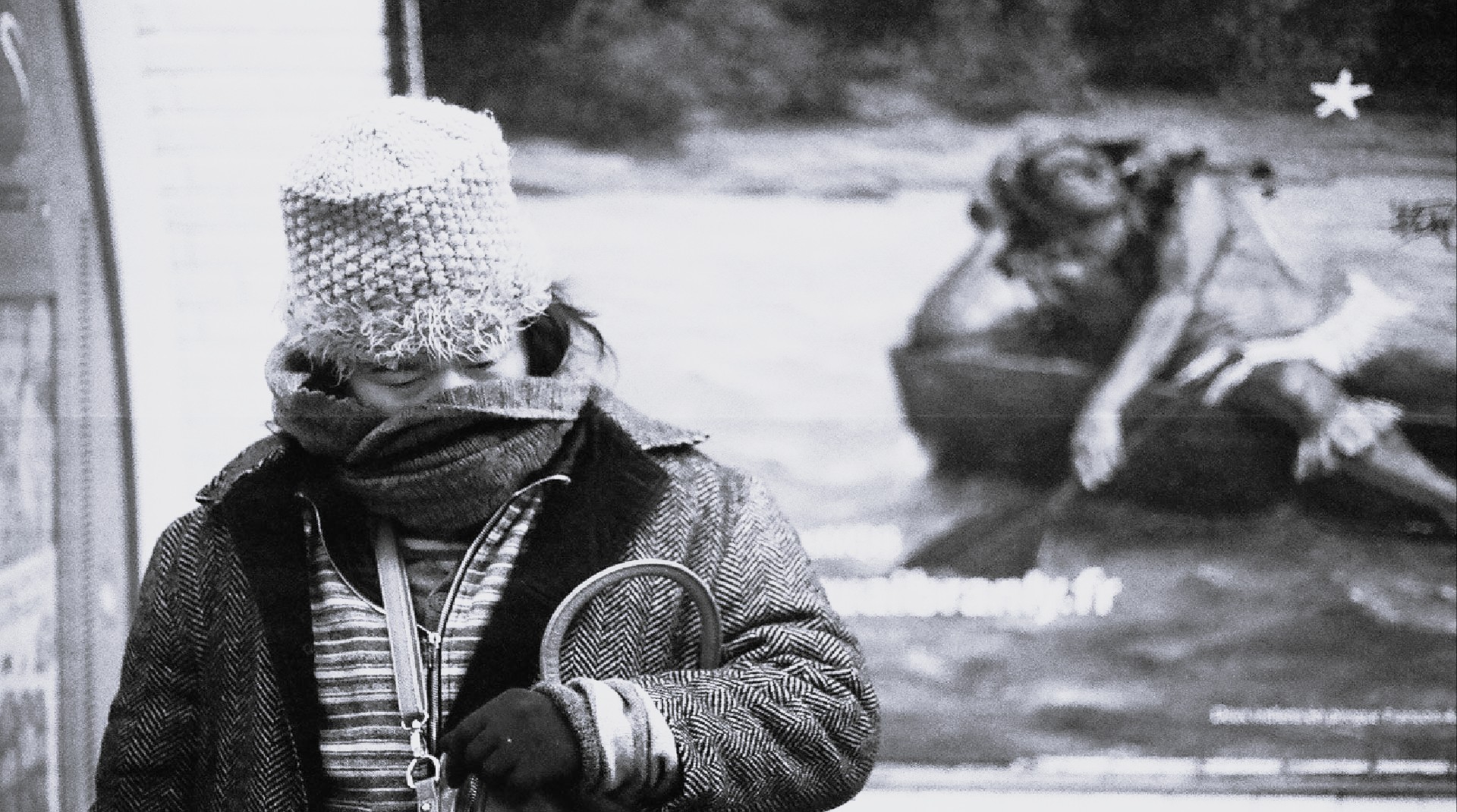
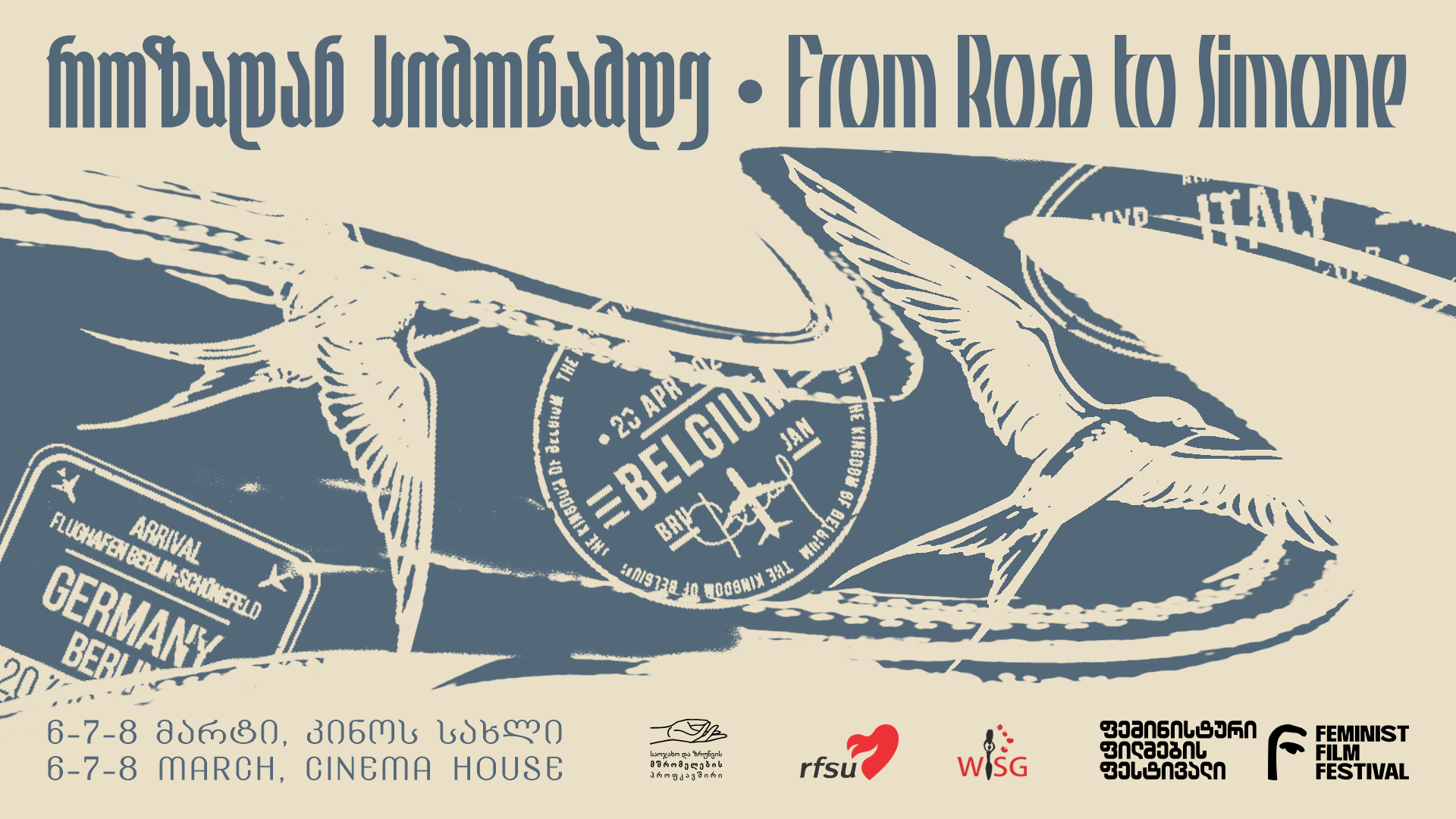
The main protagonist of the 2026 edition of the feminist film festival “From Rosa to Simone” is a migrant - the new target of contemporary populist politics.
Various ideological perspectives offer us a flat and stereotypical image of the migrant: global ultra-right populism places the blame for unemployment, healthcare or welfare crisis on them, while the left-wing reaction narrows the multilayeredness of migration and often portrays the migrant merely as a victim of circumstance.
As a result, the dimensions of class, race, gender, sexuality, agency and affect in the analysis of migration are either entirely ignored or presented solely as attributes of those template images.
With this year’s festival focused on the theme of migration, we wish to create a space for critiquing these populist narratives and imagining counter-strategies.
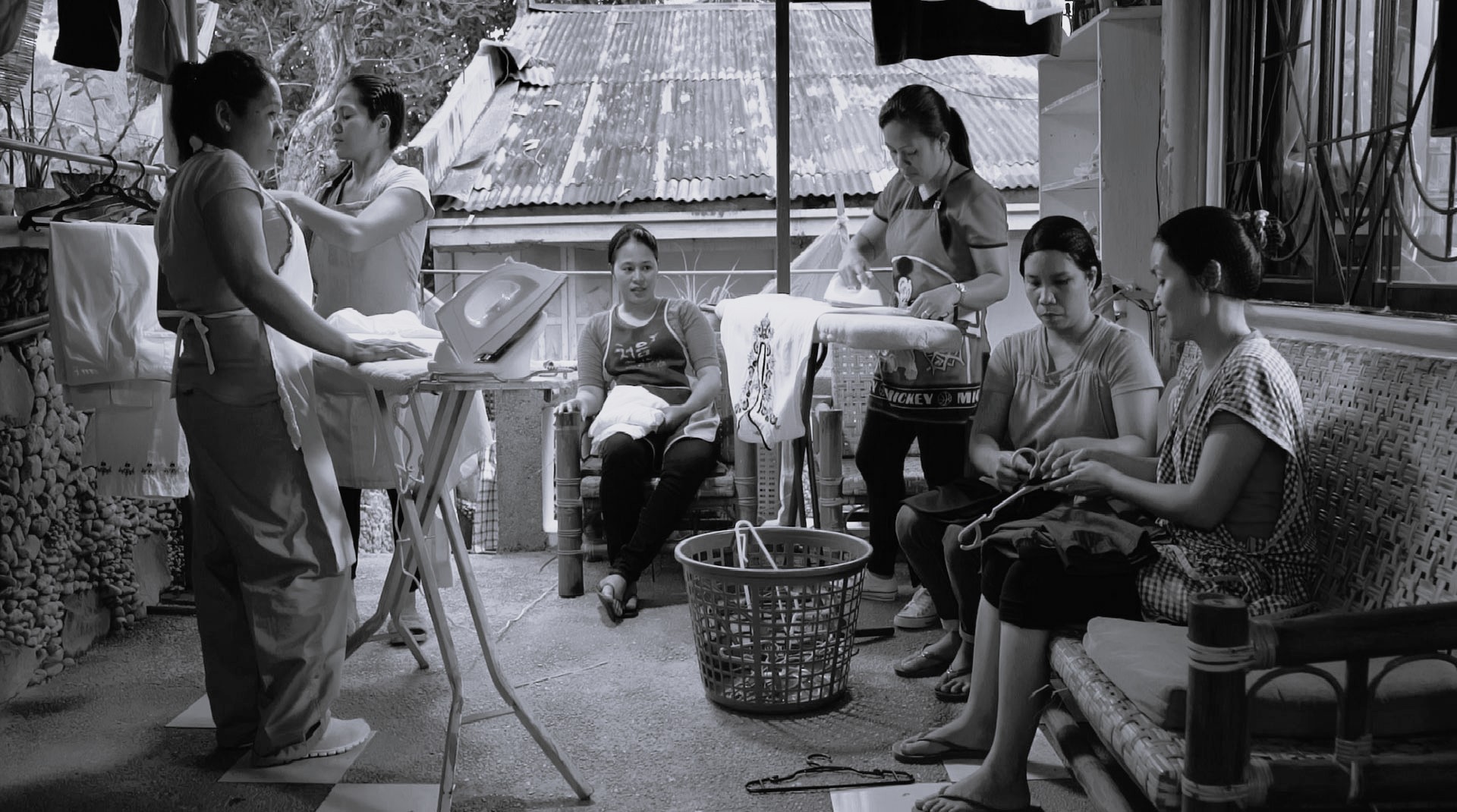
The central protagonists of the selected program are queer migrants and migrant domestic workers. Their realities seem to have little in common, and they rarely encounter each other in the field of political articulation either. For many concurrent reasons, it is precisely this given situation that we want to bring to the fore as a matter of critical reflection at this year’s festival.
As the “others” of patriarchy, women and queer people are rendered “double others” by the context of migration. At the same time, we see with increasing clarity how authoritarian regimes continuously manufacture strategies to invent and fragment new “others”, while neoliberal regimes deepen existing inequalities by creating the illusion that struggle can be successful when pursued separately, even individually.
In this reality, we believe it is inevitable to return to the roots of radical intersectional feminism to more vividly perceive the connection between our othernesses and the potential of collective effort against oppressive regimes.
The cinematic protagonists of the 2026 “From Rosa to Simone” program tell stories of various experiences of migration: some are preparing to leave or already on their way, some have just arrived, others have spent half their lives there/here, and some have been migrants for generations. Their thoughts, attitudes and goals are also diverse: places, connections severed or intensified, left behind or yet to come, fears, joys, regrets, “i regret nothings”, homelands and “homelandless”, the limitations of borders, the illusoriness of borders, citizenship - exchanged or impossible to forget, the transformation of identity, the fusion of identities…
* This year’s festival will be held in collaboration with the Labour Union of Domestic and Care Workers. They will present the third day’s program and close the festival with a panel discussion.